

When to Hire a Parenting Coach vs. Child Psychologist in Wilmington: Your Authoritative Guide
For families in Wilmington facing critical decisions about child and family well-being, choosing between a parenting coach and a child psychologist requires authoritative clarity. This guide provides a definitive framework for understanding the distinct roles, scope of care, and long-term impact of each professional. Making an informed choice is paramount for establishing strong family dynamics and ensuring the appropriate level of intervention for lasting positive outcomes.
What Is a Parenting Coach and How Can They Support Wilmington Families?
A parenting coach functions as a strategist for family life, empowering parents to assume decisive leadership within their household. This role transcends mere advice, focusing instead on how parents design their home environment—through routines, transitions, and clear expectations—and how their leadership behaviors directly shape family outcomes. Coaching addresses the practical architecture of family life, enabling parents to implement structured approaches that foster stability and predictable dynamics, particularly under pressure.
What Services Does a Parenting Coach Provide in Wilmington?
Parenting coaches in Wilmington deliver targeted interventions designed to resolve specific family system challenges. These services are structured around achieving measurable outcomes:
- Strategic Individual Sessions: Focused, one-on-one engagements to address critical parenting challenges, such as establishing consistent behavior management protocols or refining communication architectures within the family.
- Leadership Development Workshops: Intensive sessions that equip parents with advanced discipline techniques, robust family communication frameworks, and stress mitigation strategies, resulting in immediate shifts in family interaction patterns.
- Family System Diagnostics: Comprehensive assessments that pinpoint systemic inefficiencies and provide actionable blueprints for optimizing family dynamics and achieving desired outcomes.
These services aim to empower parents with the tools and knowledge they need to create a nurturing and supportive home environment.
How Does Parenting Coaching Improve Family Communication and Dynamics?
Parenting coaching fundamentally stabilizes family communication and dynamics by establishing predictable interaction patterns. This leads to a significant reduction in conflict cycles, smoother transitions during daily routines, and improved cooperation across the family system. The focus is on creating an environment where communication fosters clarity and reduces escalation, rather than merely promoting emotional expression. Families consistently achieve greater stability and predictability in their interactions, leading to a more cohesive and functional household.
Research further supports the efficacy of structured coaching techniques in improving parent-child interactions and overall family dynamics. This evidence underscores the value of targeted parent skill-building as a distinct and effective intervention, separate from clinical therapy. It validates coaching’s role in enhancing parental competence without venturing into the diagnosis or treatment of mental health conditions. For discerning parents, this research confirms that effective coaching is a measurable, impactful intervention for improving family function.
Effective Parent Coaching Techniques in PCIT
This paper describes the initial evaluation of the Therapist-Parent Interaction Coding System (TPICS), a measure of in vivo therapist coaching for the evidence-based behavioral parent training intervention, parent–child interaction therapy (PCIT). Results found that the TPICS captured a range of coaching techniques, and that parent skill-level prior to coaching did relate to therapists’ use of in vivo feedback. Therapists’ responsive coaching (e.g., praise to parents) was a partial mediator of change in parenting behavior from one session to the next for specific child-centered parenting skills.
Assessing the key to effective coaching in parent–child interaction therapy: The therapist-parent interaction coding system, ML Barnett, 2014
Who Is a Child Psychologist and When Should Wilmington Parents Seek Their Help?
A child psychologist is a licensed mental health professional whose expertise is indispensable for the diagnosis and clinical treatment of emotional, behavioral, and developmental disorders in children and adolescents. Their practice is grounded in evidence-based therapeutic techniques, addressing a spectrum of mental health conditions. It is critical to understand that parenting coaching does not, and cannot, treat mental illness. When clinical conditions are present, the intervention of a child psychologist is not optional but a necessary, ethical imperative. Veenu Inspires maintains rigorous ethical referral standards and collaborates with licensed professionals to ensure children receive appropriate clinical care when indicated.
The critical role of child psychologists is underscored by the ongoing national discussion about the urgent need for comprehensive mental health support for children. This research highlights the systemic importance of clinical psychology in addressing the broader landscape of child well-being, reinforcing that for diagnosable conditions, specialized clinical care is paramount.
Addressing the Child Mental Health Crisis
In response to the serious crisis in mental health care for children in the United States, this article proposes as a priority for psychology a comprehensive approach that treats mental.
Children’s mental health as a primary care and concern: a system for comprehensive support and service., PH Tolan, 2005
What Mental Health Conditions Do Child Psychologists Treat?
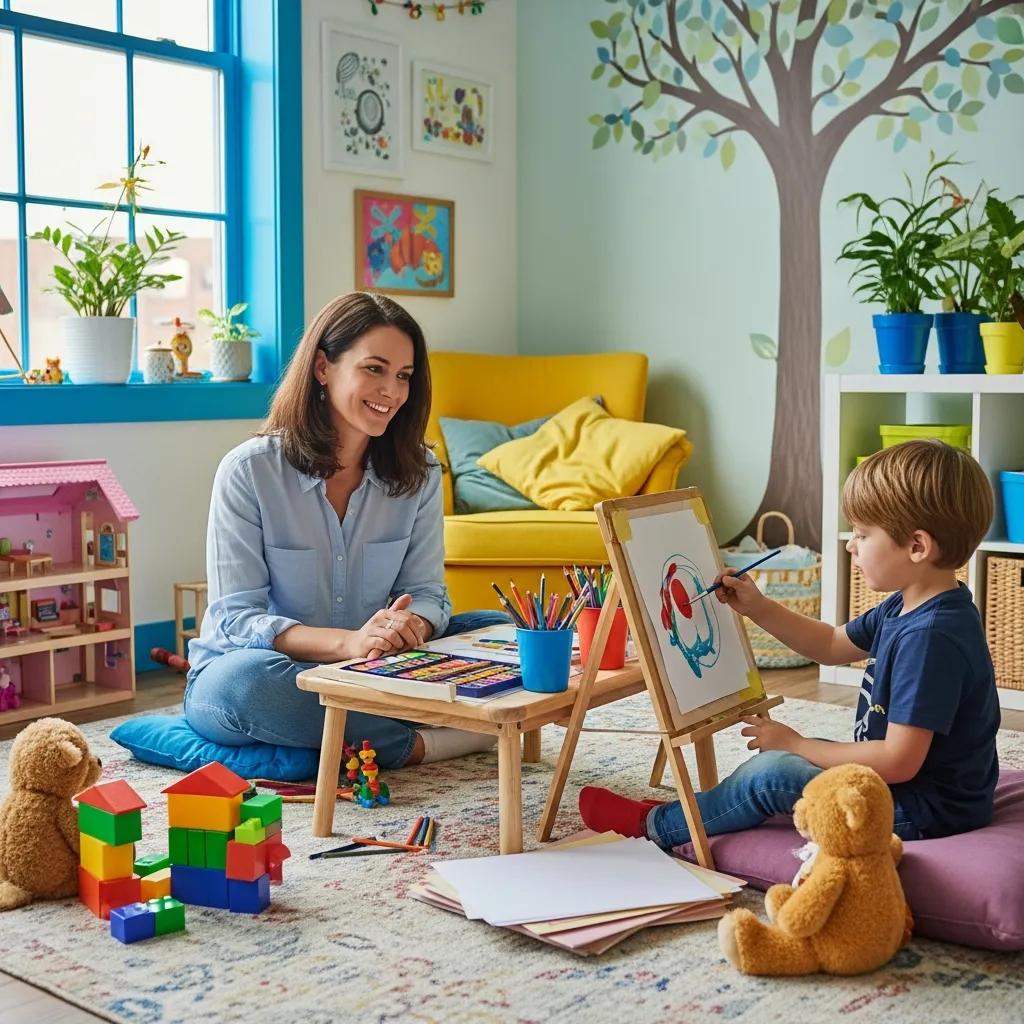
Child psychologists in Wilmington commonly treat various mental health conditions, including:
- Anxiety Disorders: Such as generalized anxiety disorder, social anxiety, and phobias.
- Depression: Addressing symptoms of sadness, withdrawal, and changes in behavior.
- Behavioral Issues: Including ADHD, oppositional defiant disorder, and conduct disorder.
These professionals employ therapeutic techniques tailored to each child’s needs, helping them develop coping strategies and emotional regulation skills.
What to Expect from Child Psychology Services in Wilmington?
When seeking services from a child psychologist, parents can expect a structured process that typically begins with an initial consultation. During this session, the psychologist will gather information about the child’s history, current challenges, and family dynamics. Following the assessment, a tailored treatment plan will be developed, which may include individual therapy, family therapy, or a combination of both. Parents can anticipate regular progress updates and collaborative involvement in their child’s treatment journey.
What Are the Key Differences Between Parenting Coaches and Child Psychologists?
Understanding the differences between parenting coaches and child psychologists is crucial for parents seeking support. While both professionals aim to improve family dynamics, their approaches and qualifications differ significantly.
How Do Qualifications and Approaches Differ Between Coaches and Psychologists?
When Is Coaching More Appropriate Than Therapy, and Vice Versa?
The decision between coaching and therapy hinges on the nature and severity of the presenting challenges. If the issue primarily involves establishing consistent family patterns, optimizing home structure, or refining parental responses to typical developmental behaviors, coaching is the appropriate strategic intervention. Conversely, if a child exhibits significant emotional distress, functional impairment, or symptoms indicative of a diagnosable mental health condition—such as severe anxiety, persistent depression, or disruptive behavioral disorders—clinical therapy is not merely an option but a necessary course of action.
Why Discerning Families Often Prioritize Coaching for Proactive Family Well-being
For many discerning families, including those in executive or privacy-sensitive environments, coaching serves as a proactive and strategic first step in risk management for family well-being. It empowers parents to strengthen their leadership, enhance self-regulation, and design structured environments that prevent common challenges from escalating into clinical issues. This approach focuses on optimizing the family system and parental responses, fostering predictability and emotional safety within the household, thereby building resilience and reducing the likelihood of future clinical needs. It’s about investing in the foundational strength of the family unit to navigate life’s complexities with greater stability.
It is critical to emphasize that while coaching offers a powerful preventative and system-stabilizing framework, it does not negate the necessity of clinical therapy. When a child exhibits persistent emotional distress, functional impairment, or symptoms indicative of a diagnosable mental health condition, therapy remains the essential and appropriate intervention. Coaching complements, but does not replace, specialized clinical care.
How Can Wilmington Parents Decide Between a Parenting Coach and a Child Psychologist?
Deciding between a parenting coach and a child psychologist can be challenging for Wilmington parents. It is essential to assess the specific needs of the child and family to make an informed choice.
What Are the Signs Your Child Needs Therapy Instead of Coaching?
Parents should consider seeking therapy if they notice signs such as:
- Persistent Sadness: If a child exhibits ongoing feelings of sadness or hopelessness.
- Behavioral Changes: Significant changes in behavior, such as withdrawal from activities or friends.
- Emotional Outbursts: Frequent and intense emotional reactions that disrupt daily life.
These indicators suggest that professional psychological support may be necessary to address underlying mental health concerns.
Which Family Challenges Are Best Addressed by Coaching?
Coaching is particularly effective for families facing challenges such as:
- Communication Issues: Improving dialogue between parents and children.
- Behavior Management: Developing strategies for managing everyday behavioral challenges.
- Goal Setting: Assisting families in setting and achieving specific parenting goals.
By focusing on these areas, coaching can help families create a more harmonious home environment.
What Parenting Support Services Does Veenu Inspires Offer to Wilmington Families?
Veenu Inspires, led by Veenu Keller, provides strategic guidance for families in Wilmington, specializing in the dynamics of family life. Our focus is on equipping parents with the leadership acumen required to regulate their own responses, design environments that proactively prevent escalation, and navigate the complexities inherent in high-pressure family dynamics. This is not about ‘support’; it is about strategic intervention and the implementation of effective family leadership.
What Coaching Programs and Workshops Are Available Locally?

Veenu Inspires applies professional judgment to deploy a range of coaching programs and workshops, tailored to address specific family needs:
- Parenting Skills Workshops: Interactive sessions designed to impart essential parenting techniques and strategies, applied to real-world family scenarios.
- Individual Coaching: Bespoke, one-on-one engagements that focus on specific family dynamics and challenges, guiding parents through personalized strategic frameworks.
- Group Coaching: Facilitated group settings where parents engage in collaborative learning, sharing experiences and insights under expert guidance to foster collective growth.
These programs aim to equip parents with the skills necessary to foster positive family relationships.
Demonstrated Outcomes of Veenu Inspires’ Strategic Coaching
Families engaging with Veenu Inspires’ programs consistently experience significant, measurable shifts in their family dynamics. Outcomes typically include enhanced communication clarity, a marked reduction in conflict cycles, and a strengthened sense of cohesion within the household. These results reflect the direct impact of implementing strategic parenting frameworks, leading to greater stability and predictability in family interactions.
What Local Resources and Referral Options Exist for Child Mental Health in Wilmington?
Wilmington offers various resources for families seeking child mental health support, including local psychologists, therapists, and community organizations.
Where Can Parents Find Child Psychologists and Therapists in Wilmington?
Parents can find child psychologists and therapists in Wilmington through:
- Local Directories: Online directories that list licensed mental health professionals.
- Community Health Centers: Organizations that provide mental health services and referrals.
- School Counselors: School-based professionals who can recommend local mental health resources.
These resources can help parents connect with qualified professionals who can address their child’s specific needs.
Ethical Referrals and Collaborative Care Standards
Veenu Inspires operates with a discerning and ethical framework, maintaining clear boundaries between coaching and clinical care. Our primary commitment is to child safety and well-being, which always overrides continuity of coaching. We actively assess the appropriateness of coaching, and when concerns exceed its scope—such as persistent emotional distress, risk to child safety, or symptoms requiring clinical diagnosis—coaching is not initiated or is paused. In such instances, responsible referrals to licensed mental health professionals are not merely facilitated but are a non-negotiable imperative. We cultivate strategic partnerships with child psychologists and therapists in Wilmington, ensuring that when clinical needs are identified, families are connected with the specialized expertise required. This collaborative model ensures a holistic and ethically sound approach, where coaching complements therapy without competing with it, aligning with best practices for integrated mental healthcare. This integrated approach, as supported by research, emphasizes the importance of a comprehensive system where general practitioners and specialists collaborate to ensure children receive the most appropriate and timely care, a principle Veenu Inspires rigorously upholds.
Integrated Mental Healthcare for Child Behavioral Problems
Child and adolescent mental health problems are frequently not identified and properly treated within general practice. The current study aims to evaluate an integrated primary mental healthcare approach for child and adolescent emotional and behavioural problems. This integrated approach allows general practitioners (GPs) to comprehensively explore the request for help, followed by an informed decision to refer, offer short-term treatment within general practice or postpone a decision by asking for additional consultations with youth mental health specialists.
A new approach to child mental healthcare within general practice, 2015
The decision between engaging a parenting coach and a child psychologist is a strategic imperative, dictated by the precise scope and severity of the family’s challenges and the desired long-term impact on the child and family system. This choice should not be influenced by considerations of ease, cost, or personal preference, but by a clear assessment of the appropriate level of intervention required. Both coaching and clinical therapy are valid and essential paths when chosen with discernment, each offering distinct expertise for specific needs. Veenu Inspires maintains clear boundaries for its coaching services and upholds a steadfast commitment to ethical referrals, ensuring that every family is guided toward the precise expertise required for their unique situation. Ultimately, discerning families understand that the right intervention is not merely a choice, but a strategic investment in their child’s enduring well-being and the family’s long-term resilience.